July 29, 2026
Industrial systems carrying fuels, gases, solvents and other hazardous media require valves that can provide dependable isolation during both normal operation and emergency conditions.
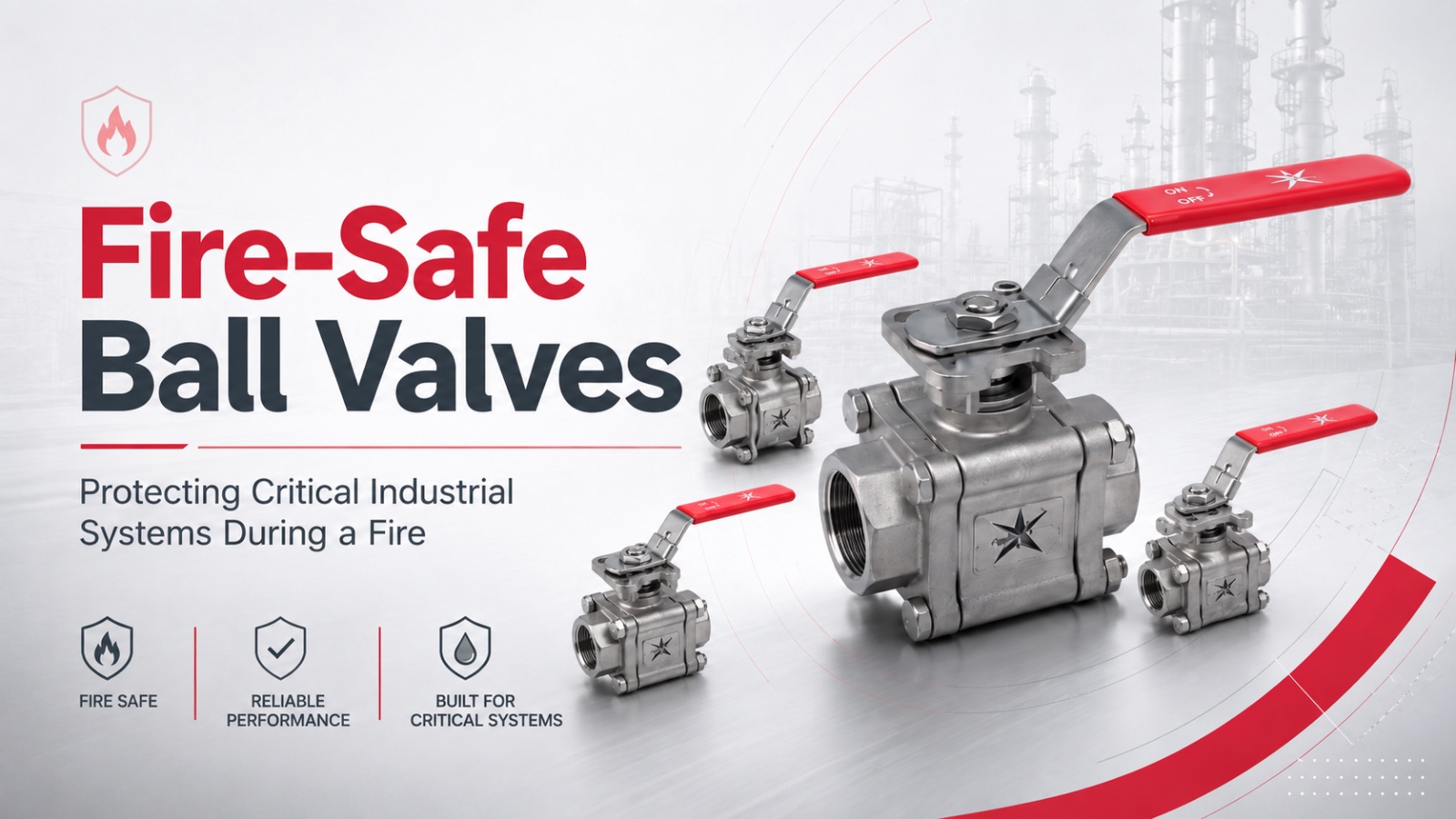
During a fire, extreme heat can damage soft valve seats, stem seals and body gaskets. A fire-safe ball valve is designed to limit internal and external leakage if these primary sealing components deteriorate.
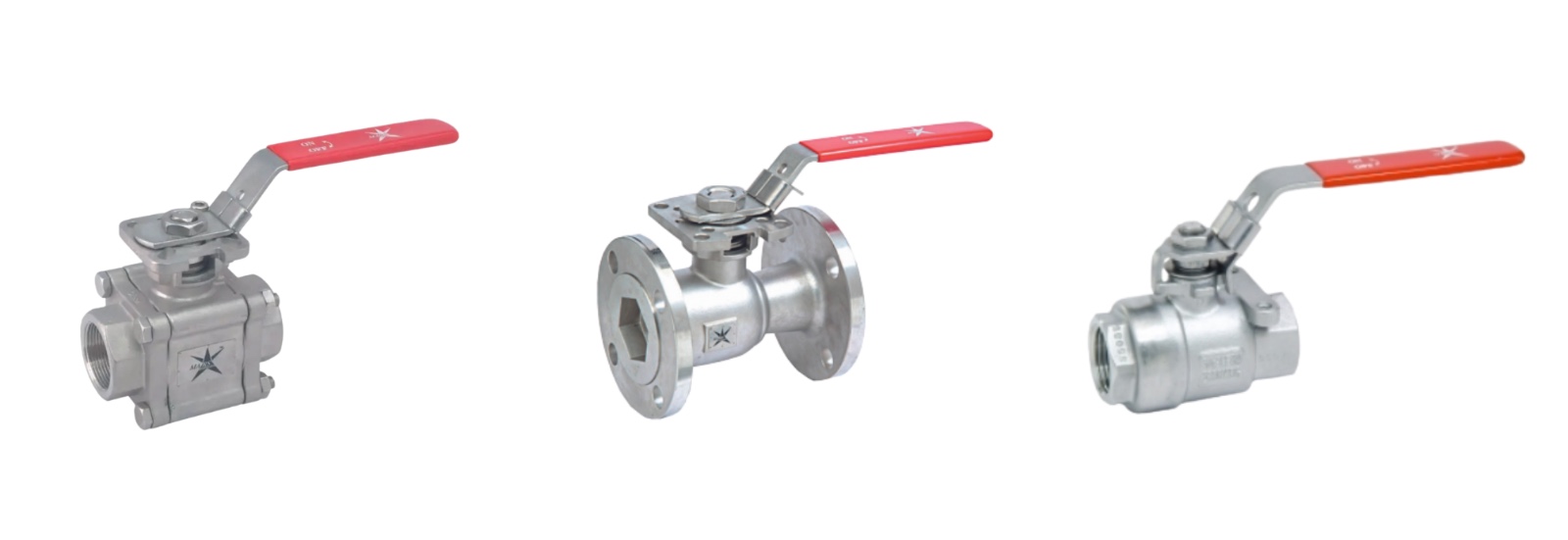
Mars offers several fire-tested ball valve ranges, including the Series 83, Series 88, Series 90, Series 90D and Series 91D. These ranges carry fire-safe certification following testing by Southwest Research Institute and TÜV Germany.
Most industrial ball valves use polymer seats to produce tight shut-off under normal operating conditions. If these seats are damaged by fire, a secondary metal sealing surface helps restrict flow through the valve.
A fire-safe design may also include:
Secondary metal sealing — restricts leakage if soft seats are damaged.
Blow-out-resistant stem — helps retain the stem within the valve body.
Fire-resistant stem packing — reduces external leakage around the stem.
Anti-static device — helps dissipate static electricity.
Secure body sealing — limits leakage through body joints.
Fire-safe does not mean the valve is unaffected by fire. It means the valve has been designed and tested to control leakage within the limits of a recognised standard.
Mars fire-safe ball valves are tested in accordance with API 607, a recognised fire-test standard for quarter-turn valves.
During testing, a pressurised valve is exposed to controlled fire conditions. Internal and external leakage are measured during heating, after cooling and, where required, after the valve is operated.
API 607-tested ranges are available for oil and gas, refining and chemical-industry applications.
Series 28 — Two-piece, ¼″–3″, seal-welded, full port, API 607 tested.
Series 83 — Three-piece, ¼″–2″, full or reduced port, multiple end connections.
Series 88 — Three-piece direct mount, ¼″–4″, fire-safe, direct actuator mounting.
Series 90 — Flanged, ½″–4″, full port, ANSI Class 150 and PN16/40.
Series 90D — Flanged direct mount, ½″–12″, full port, ANSI Class 150/300.
Series 91D — Flanged direct mount, ½″–6″, reduced port, ANSI Class 150/300.
Available end connections across the range include threaded, socket-weld, butt-weld, flanged and extended welding configurations.
Mars uses its SealMax® triple-sealing system on high-performance ball valve designs:
Pyramidal stem and stem seal — forms the first barrier against leakage.
O-ring packing — provides additional sealing and stem alignment.
V-ring chevron packing — expands under compression to block leak paths.
The design also uses Belleville washers to maintain packing load during wear, temperature changes and pressure fluctuations. A spring-loaded anti-static device provides contact between the ball, stem and body.
The Mars Series 88 is a three-piece fire-safe ball valve designed for manual or automated operation.
Design: three-piece
Port: full or reduced
Size: ¼″–4″, DN 8–DN 100
Pressure, ¼″–1″: 2,000 psi / PN125
Pressure, 1¼″–2″: 1,500 psi / PN100
Pressure, 2½″–4″: 1,000 psi / PN63
Mounting: ISO 5211 direct mount
Standard seat: RTFE
Anti-static device: standard
Fire compliance: API 607 and ISO 10497
Body materials include CF8M stainless steel, WCB carbon steel, CF3M, Alloy 20, Duplex and Hastelloy C. Optional seat materials include PEEK, TFM1600, CTFE, Delrin, UHMWPE, stainless-steel-filled PTFE and metal seats.
Mars direct-mount valves allow a compatible pneumatic or electric actuator to be fitted directly to the ISO 5211 mounting pad. This removes the need for a separate bracket and adaptor, helping create a more compact valve package.
Potential advantages include:
Better valve and actuator alignment.
Fewer mounting components.
Lower maintenance requirements.
Reduced backlash.
Easier installation.
No exposed bracket-and-coupling pinch points.
Conventional bracket arrangements can introduce misalignment, stem side loading, increased torque and incomplete valve travel.
Oil and gas — process and emergency isolation.
Refining — fuel and hydrocarbon lines.
Chemical processing — hazardous and corrosive media.
Petrochemical — automated shut-off systems.
Industrial gas — gas isolation and control.
Power generation — fuel and process systems.
Final valve selection must consider the process medium, pressure, temperature, body material, seat material, end connection and required certification.
Before specifying a fire-safe ball valve, confirm:
The required API 607 or ISO 10497 certification.
The operating pressure and temperature.
Compatibility between the process media and valve materials.
Full-port or reduced-port requirements.
The required end connection.
Manual or automated operation.
Any TA-Luft, ISO 15848-1 or NACE MR0175 requirements.
Mars fire-safe ball valves combine tested fire performance with secondary sealing, anti-static protection and multiple design options.
Ranges such as the Series 83, Series 88, Series 90, Series 90D and Series 91D provide solutions for threaded, welded and flanged piping systems. Direct-mount options also make it easier to create compact automated isolation packages.
Selecting the correct valve requires more than choosing the pipe size. Pressure, temperature, materials, seat design, actuation and certification must all be reviewed to ensure dependable operation in critical industrial service.
Get in touch with our team to talk through pressure ratings, materials, certification and end connections for your application.